JOIN THE VIRTUAL ARTIST TALK FOR 'WHERE IS THE HUMAN IN THIS PLACE’ STARTING 5:30PM ON THURSDAY, JULY 2, 2026
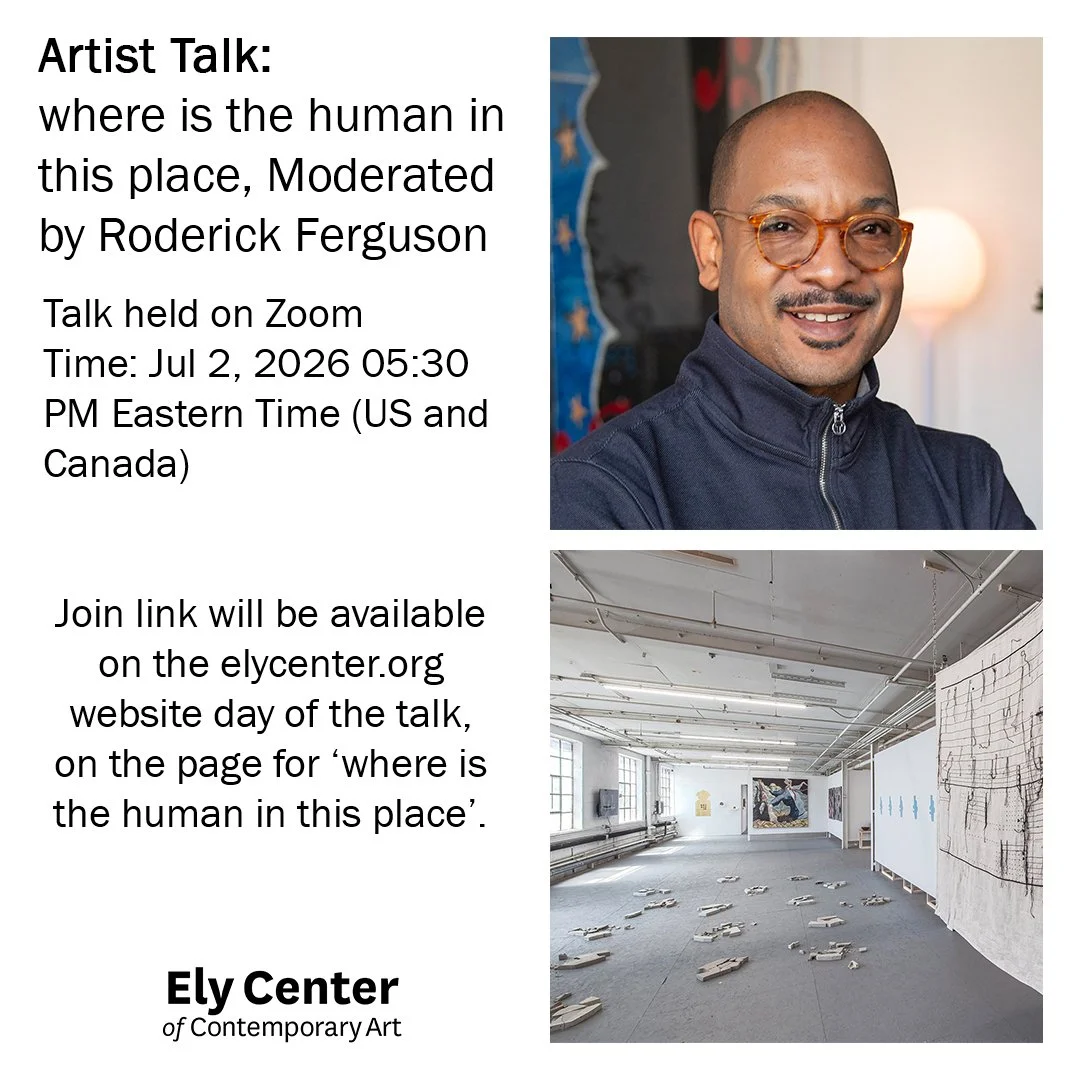
Moderated by Roderick Ferguson between the artists Amy Yoshitsu, Jacob Cullers, Jayden Ashley and Ode
Zoom link HERE
This virtual artist talk will be recorded and uploaded onto the Ely Center’s YouTube page.
where is the human in this place
Curated by Maria Markham
Exhibition Dates: April 26 - July 5, 2026
Opening Reception: April 26, 1-4pm
Panel Talk: Date TBD
why and why and why
should i call a white man brother?
who is the human in this place,
the thing that is dragged or the dragger?
-Lucille Clifton, jasper texas 1998
The Ely Center is pleased to announce the group show where is the human in this place, curated by Maria Markham. The title of this exhibit is adapted from Lucille Clifton’s searing poem, jasper texas 1998.* Clifton gives voice to James Byrd in this poem highlighting the horrendous act perpetrated on a black man by white people. Clifton’s powerful condemnation and poetic rendering of Byrd’s humanity grounds the visual work presented in where is the human in this place?. This exhibit opens a discussion around the structures and systems that continue and reinforce racism and other inequities deeply wound within societies.
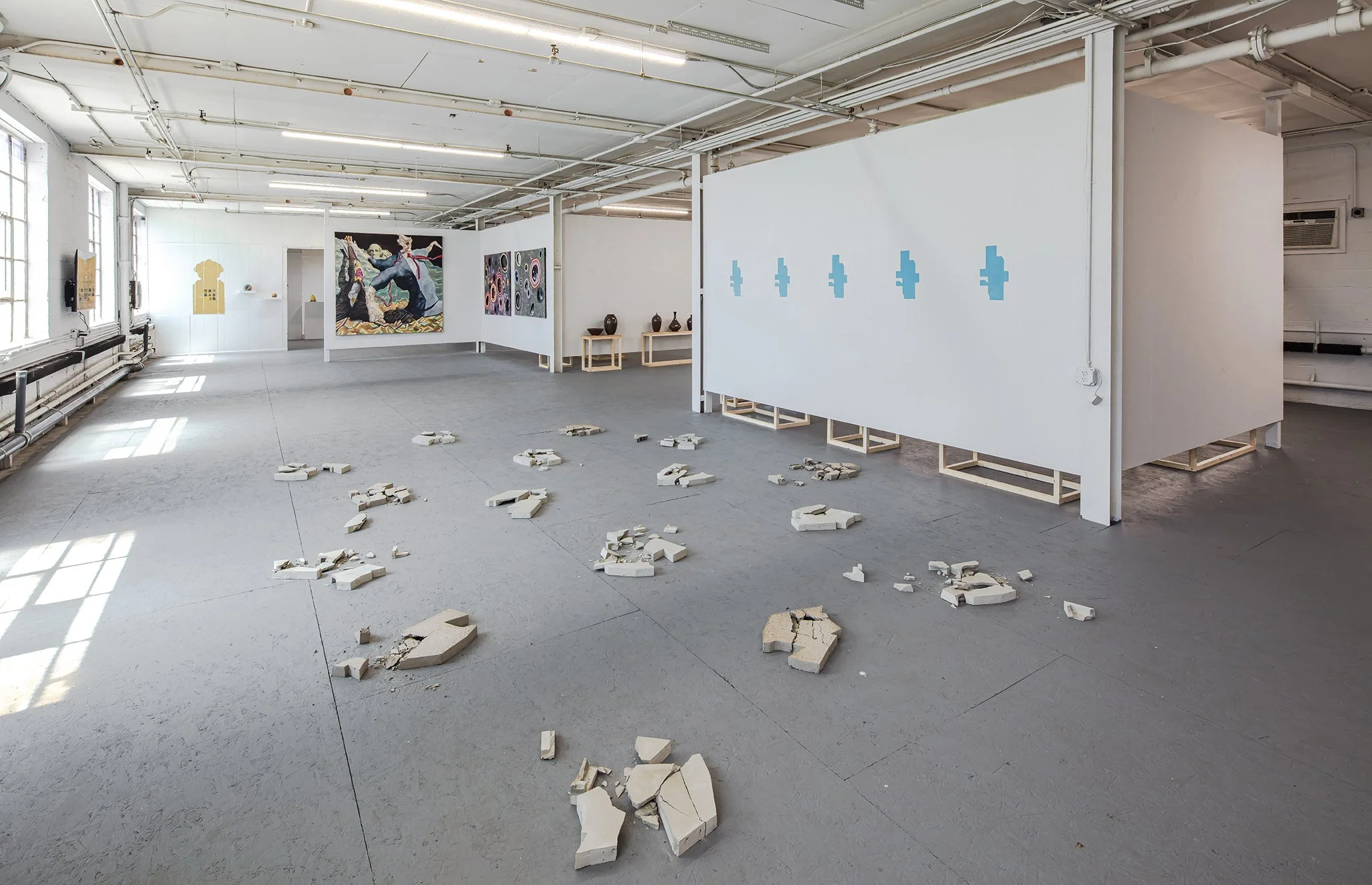
In where is the human in this place, artists Amy Yoshitsu, Jacob Cullers, Jayden Ashley and Ode explore these infrastructures that perpetrate daily violences and inequities against people who differ from the dominant culture, including people of color, poor, and trans people.
Amy Yoshitsu focuses on deconstructing the interconnections between power, economics, labor, and race. Return and Schedule Self-Interest derives from Yoshitu’s own experience and examines how the tax system “perpetuates the black and white ‘logic’ and poles of our society.” Yoshitu notes that the 1040 tax form that workers in America are required to file has built in prejudices that reinforce long-standing hierarchies.
Jayden Ashley explores zoning laws relating to redlining to highlight how institutional policies and structures are a source of sustained and continued systemic violence against Black communities. For this exhibit, using legislative and cartographic sources, Ashley researched redlined geographies in New Haven creating sculptures from concrete that echo the erasures of Black people and their communities, channel absences as a result of these enactments, and questions borders.
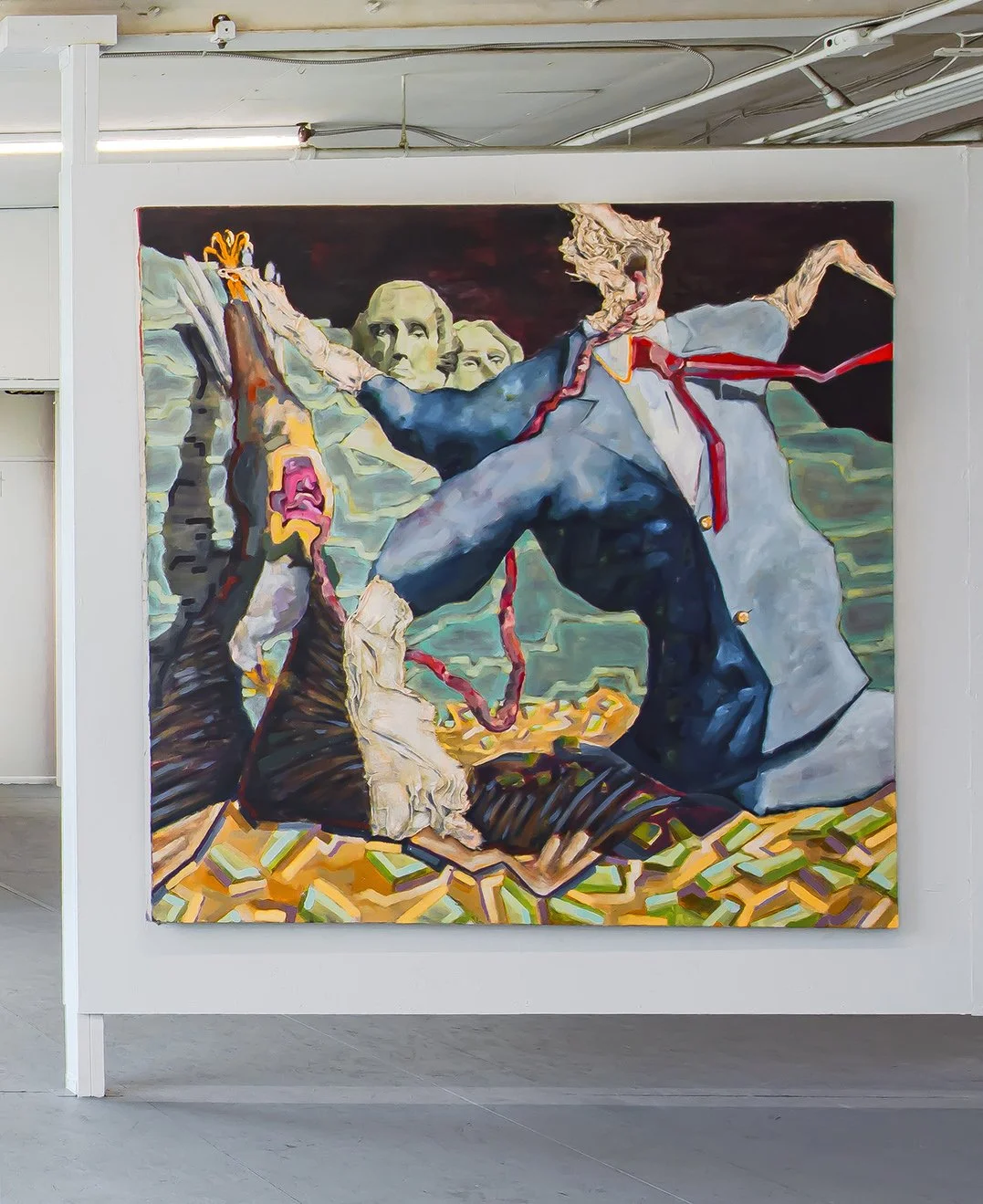
In The Man, Jacob Cullers unapologetically highlights the violence of the white male hierarchical power structures in the U.S. In this work, the “Man” is a grotesque abstraction that disgorges intestines from its mouth. On the left, a mask resembling those worn by the Klu Klux Klan receives the intestine signaling the white male supremacy that is embedded within the system. In the background, the monumental faces of the Mount Rushmore Presidents George Washington and Thomas Jefferson locate the viewer squarely within the American political system.
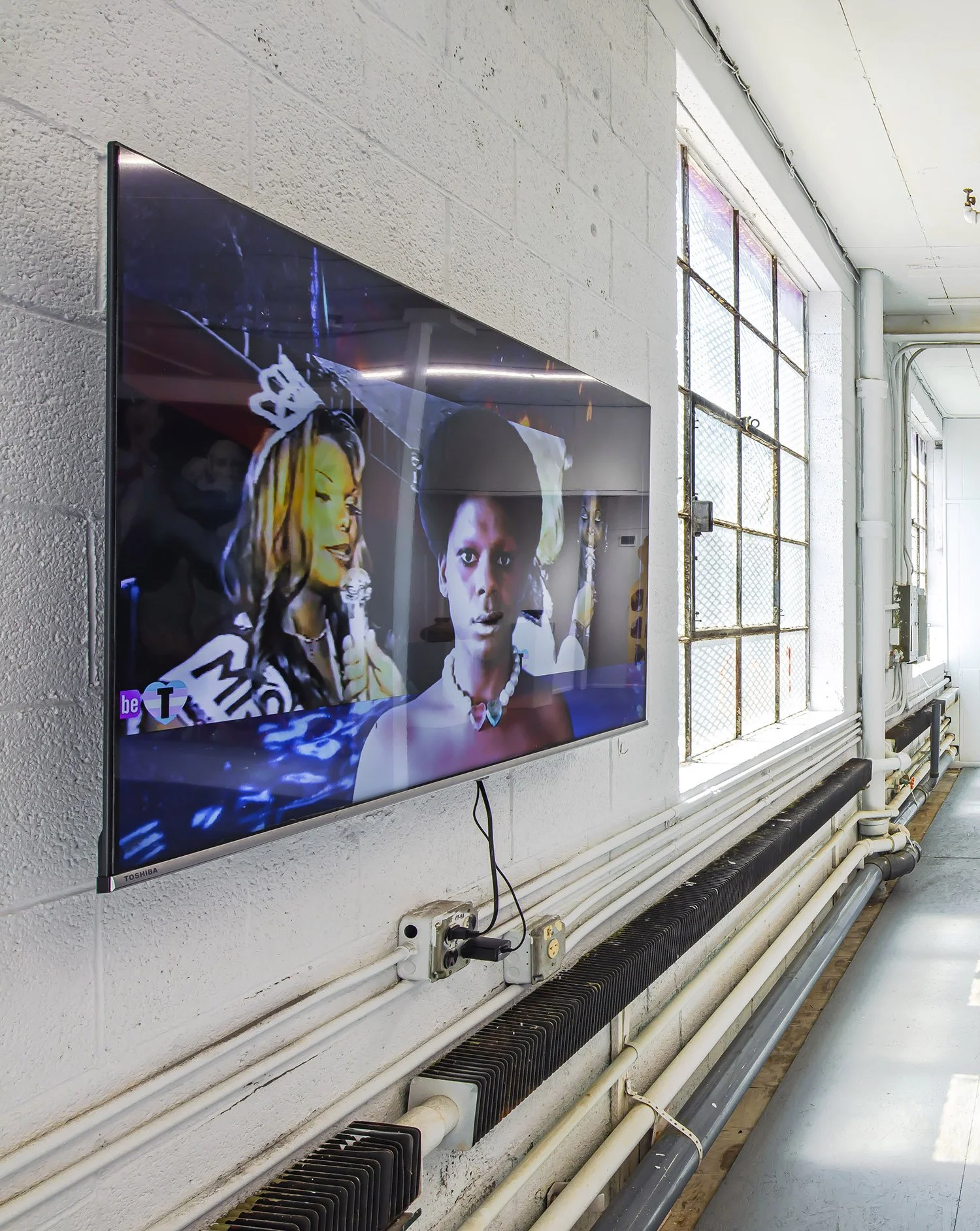
In her video, Travecacceleration, Ode examines how the logic of capitalism and cisgender capitalism impacts trans people, specifically travesti in Brazil. According to Ode, the video showcases how the “cisheteropatriarcal…puts black people and, overall, travestis in a position that does not allow us to claim our own images, enunciations, and epistemologies.” Through video montage, she reinforces how black people and travesti are defined within the system and how they are specifically absent from rapid growth in capitalism and its underpinnings including technology.
The works in where is the human in this place respond to questions of humanity and as echoed in Clifton’s poem the lack of it. They show the invisible and visible systems and structures that deliberately exclude, perpetuate violence, and impact vulnerable people’s lives with tragic certitude. The exhibition will be on view from Sunday, April 26 through Sunday, July 5. Please join us for the opening on Sunday, April 26, 1-4pm.
-Maria Markham
*Written for James Byrd, Jr. who was gruesomely lynched in Texas on June 7, 1998, the original line from the poem is “who is the human in this place.”
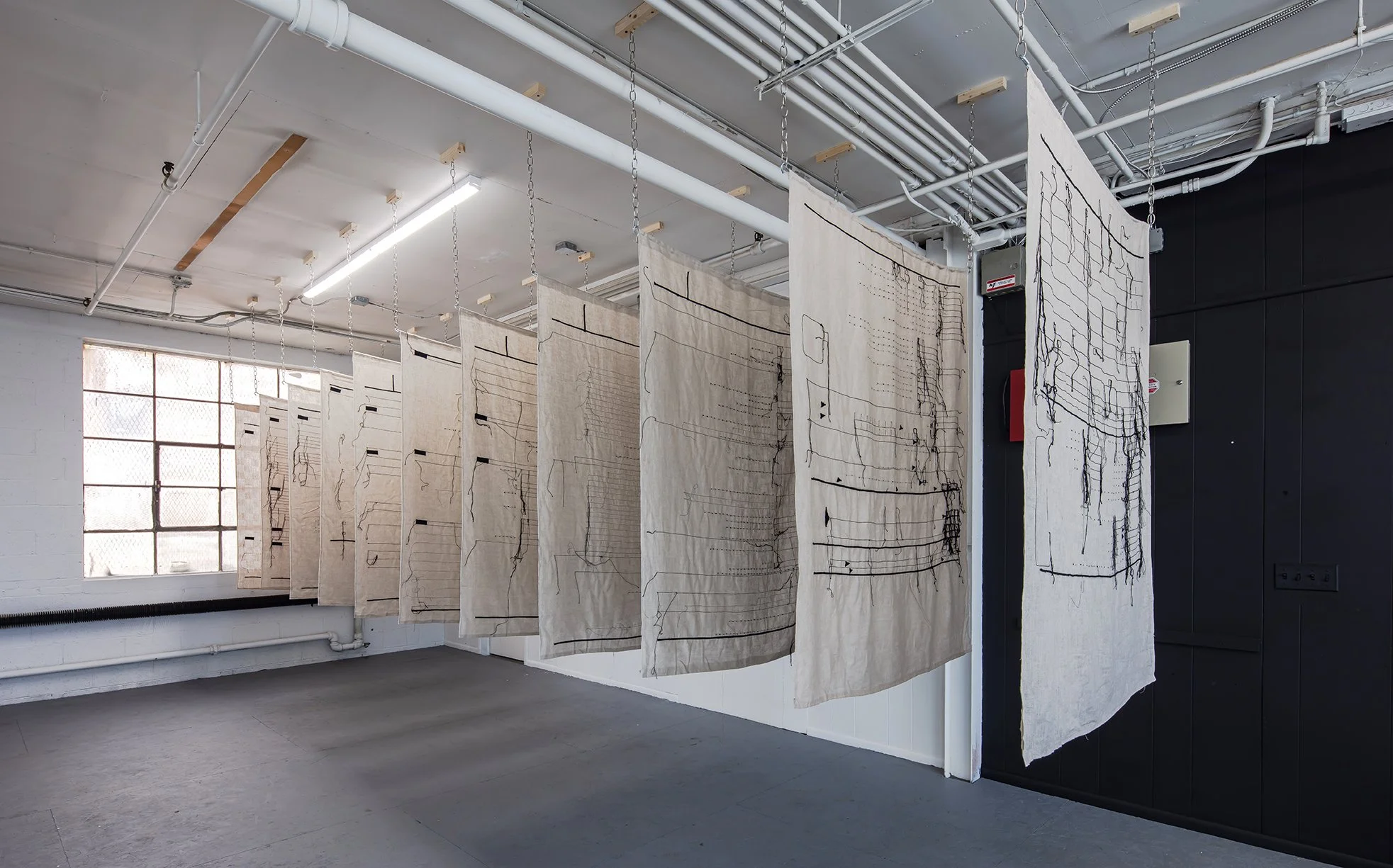
Amy Yoshitsu
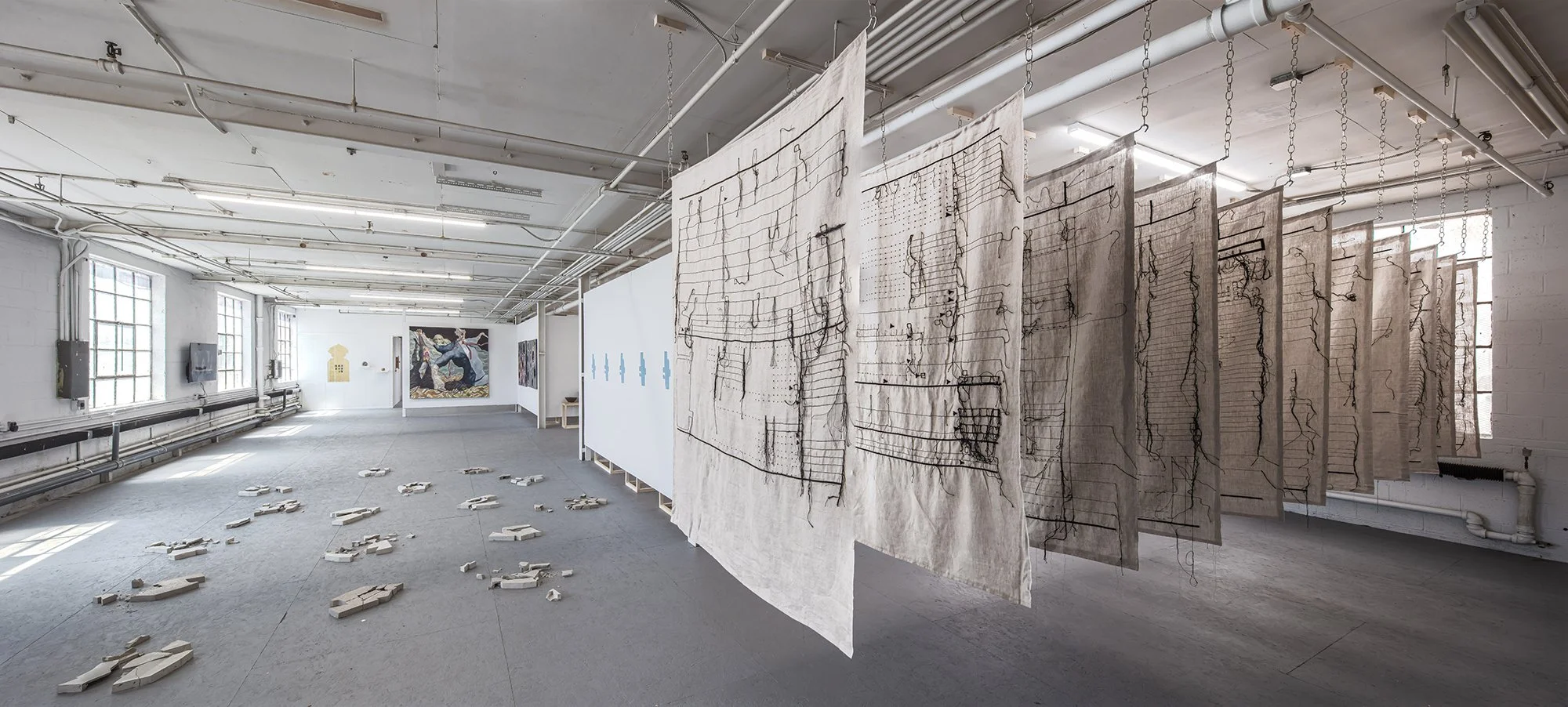
Jacob Cullers, Jayden Ashley , Amy Yoshitsu
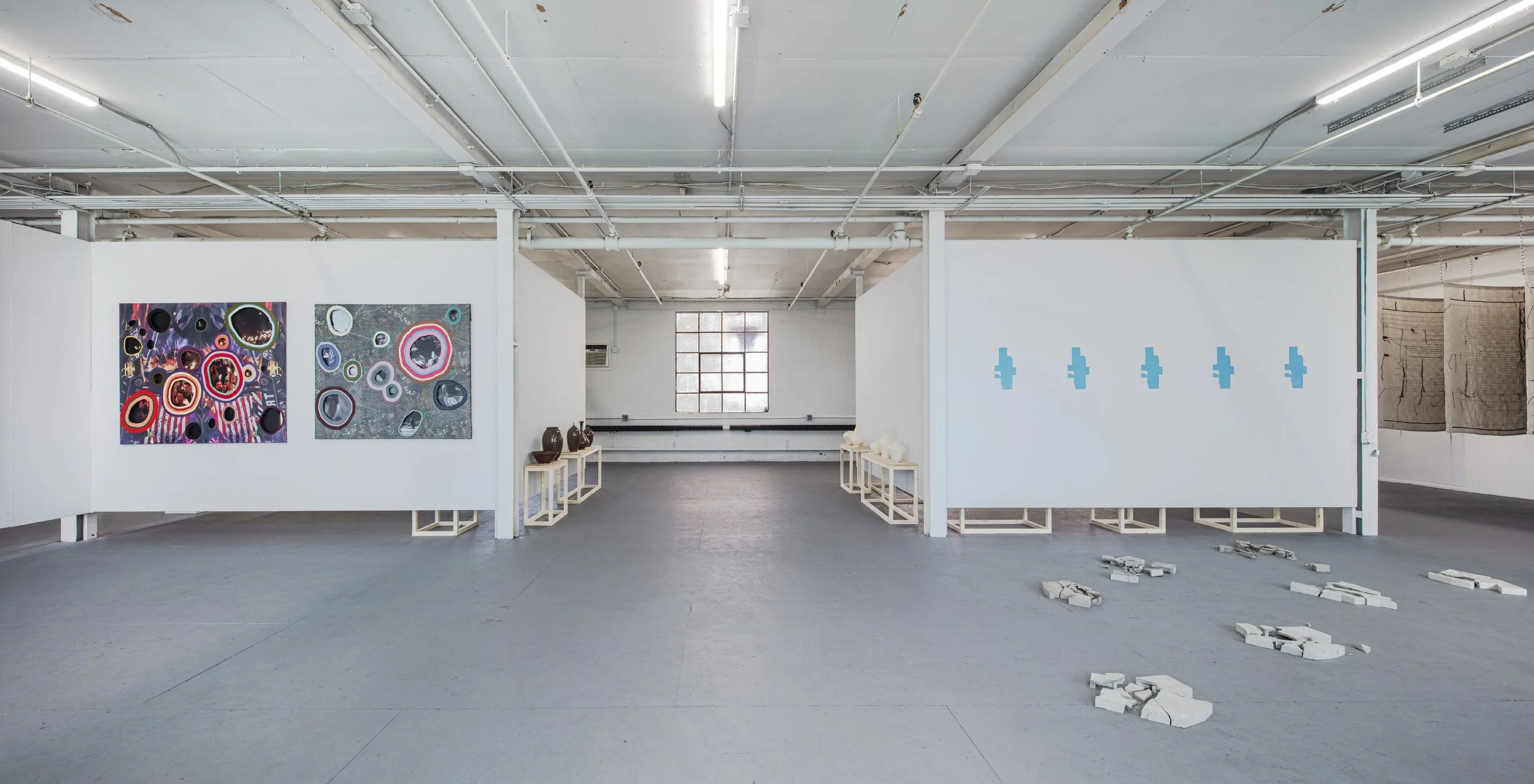
Jacob Cullers, Jayden Ashley